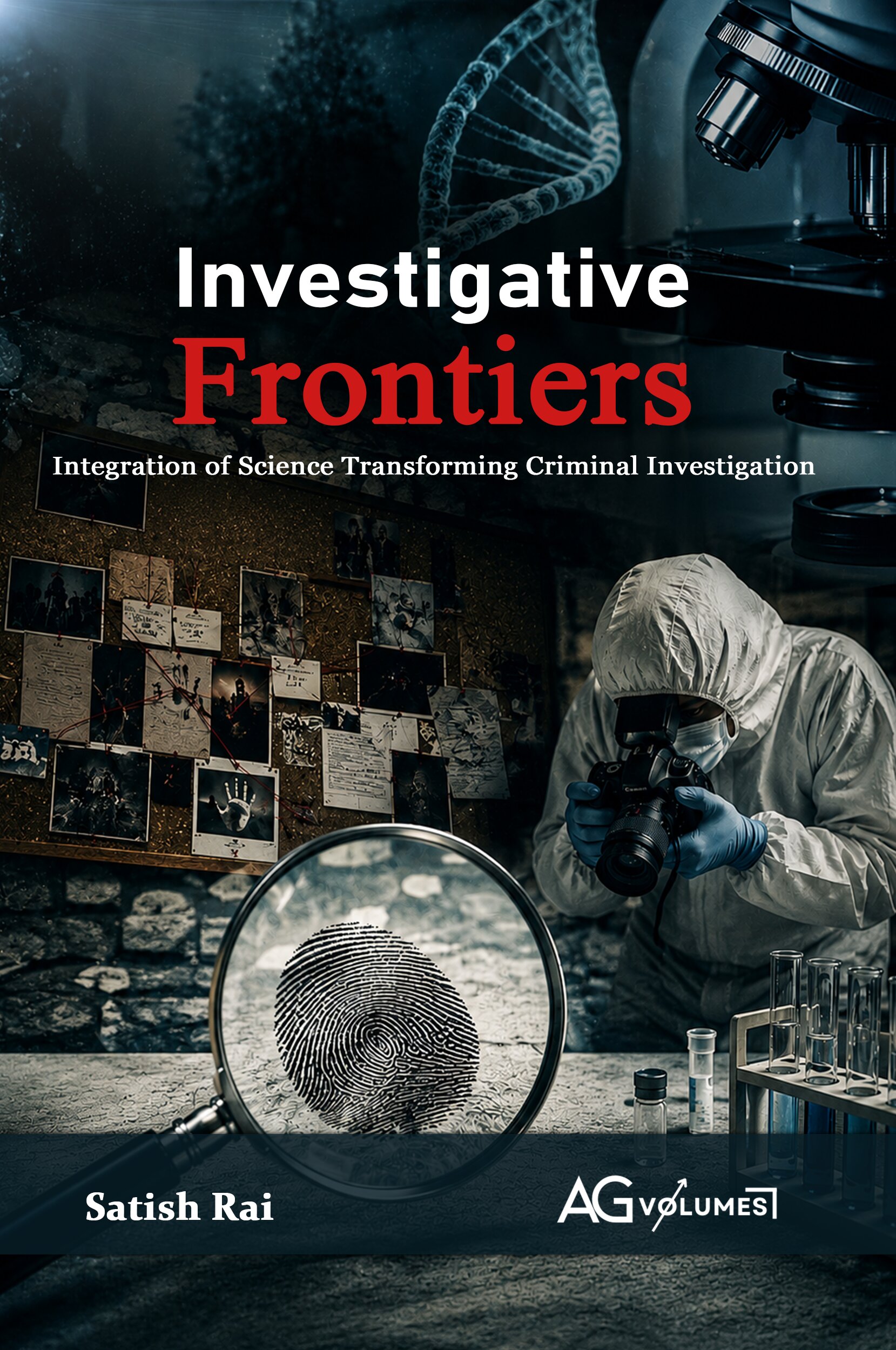
Convergence at the Crime Scene: Multidisciplinary Science in Contemporary Criminal Justice
DOI:
https://doi.org/10.69968/agph.2026.1861.14-27Keywords:
Multidisciplinary Science, Criminal Justice, Digital Forensics, Forensic Psychology, Artificial IntelligenceAbstract
The convergence of multiple scientific disciplines has transformed contemporary criminal justice by enhancing the accuracy, reliability, and efficiency of criminal investigations. It is an overview of the multidisciplinary science in contemporary forensic science, focusing on the integration of the concepts of crime scene investigation, digital forensic, forensic psychology, evidence management, artificial intelligence, and data analytics. The study underscores the importance of collaboration among forensic scientists, psychologists, digital investigators, engineers, and legal professionals in the collection, interpretation, and decision-making process in court cases. Cybercrime investigations have been enhanced by developments in digital forensic technologies and behavioral profiling has enhanced the knowledge of offender characteristics and investigative strategies. In addition, AI and data analytics have revolutionized forensic investigations by streamlining evidence handling, pattern recognition, and predictive analysis. Despite these developments, issues of evidence integrity, algorithmic bias, privacy, ethics, and the admissibility of evidence remain to have an impact on forensic practice. In conclusion, the integration of multiple scientific disciplines into the field of criminal justice has emerged as a cornerstone of modern operations, enhancing the effectiveness of investigations, aiding evidence-based decision-making, and ensuring justice and accurate judgments in the courtroom.
References
[1] Baechler, S., Morelato, M., Gittelson, S., Walsh, S., Margot, P., Roux, C., & Ribaux, O. (2020). Breaking the barriers between intelligence, investigation and evaluation: A continuous approach to define the contribution and scope of forensic science. Forensic Science International, 309, 110213. https://doi.org/https://doi.org/10.1016/j.forsciint.2020.110213
[2] Bakhtiar, H. S., Ilyas, A., Kholiq, A., & Bakhtiar, H. S. (2025). The utilisation of scientific crime investigation methods and forensic evidence in the criminal investigation process in Indonesia. Egyptian Journal of Forensic Sciences. https://doi.org/10.1186/s41935-025-00456-y CrimRxiv, 1–40. https://www.crimrxiv.com/pub/7c6624up
[3] Maneli, M. A., & Isafiade, O. E. (2022). 3D Forensic Crime Scene Reconstruction Involving Immersive Technology: A Systematic Literature Review. IEEE Access, 10. https://doi.org/10.1109/ACCESS.2022.3199437
[4] Abrari, A., & Aisyah, S. (2025). Integration of Multidisciplinary Approaches in the Criminal Justice System: A Study of the Handling of Gender-Based Crime. Journal of Strafvordering Indonesian, 1, 31–49. https://doi.org/10.62872/synrn273
[5] Mia, R., Panchal, V., Singla, S., & Jain, M. (2024). Advanced and Emerging Development in Multidisciplinary Approaches in Forensic Science, Digital Forensic, Law and Criminology.
[6] Chango, X., Flor-unda, O., Gil-jim, P., & Gómez-Moreno, H. (2024). Technology in Forensic Sciences: Innovation and Precision. Technologies. https://doi.org/https://doi.org/ 10.3390/technologies12080120
[7] Chango, X., Flor-unda, O., Gil-jim, P., & Gómez-Moreno, H. (2024). Technology in Forensic Sciences: Innovation and Precision. Technologies. https://doi.org/https://doi.org/ 10.3390/technologies12080120
[8] Kumar, V., & Singh, Y. (2024). Forensic science in the Indian legal framework: Challenges and opportunities in criminal investigations and trials. International Journal of Civil Law and Legal Research, 4(2), 213–220.
[9] Sharma, V., & Sood, P. (2022). Scientific Investigation In The Criminal Justice System: Problems And Prospects. Education, 8(9), 7–12.
[10] Ugwumba, N. K. (2025). Digital Forensics Using Artificial Intelligence (AI) And Data Mininig. 1–18.
[11] Bagalkote, M., Pillay, S. S., & S Lavanika Students. (2024). Criminal Profiling: Current Trends of Forensic Psychology. Journal of Personality and Mental Abilities, 1(1).
[12] Hanafy, S. (2025). The Role of Forensic Psychology in Understanding Criminal Behavior and Legal Decision Making. Journal of Forensic Psychology, 10(10003), 1–2. https://doi.org/10.35248/2475-319X. 25.10.388.
[13] Singh, S. (2026). The Evolution of Forensic Science in Crime Solving: From Traditional Methods to Artificial Intelligence. Journal of Forensic Science and Medicine, 12, 11–14. https://doi.org/10.4103/jfsm.jfsm_81_25
[14] Sm, E., Kj, A., So, I., Ao, Y., & Fo, H. (2025). Forensic Psychology and Criminal Profiling. Journal of Forensic Science And Research, 92–96. https://doi.org/https://dx.doi.org/10.29328/journal.jfsr.1001085
[15] Barone, P. M., & Luise, E. Di. (2025). A Multidisciplinary Approach to Crime Scene Investigation: A Cold Case Study and Proposal for Standardized Procedures in Buried Cadaver Searches over Large Areas. Forensic Science, 1–16. https://doi.org/https://doi.org/10.3390/ forensicsci5030034
[16] Esposito, M., Sessa, F., Cocimano, G., Zuccarello, P., Roccuzzo, S., & Salerno, M. (2023). Advances in Technologies in Crime Scene Investigation. Diagnostics, 13, 1–9. https://doi.org/https://doi.org/10.3390/ diagnostics13203169
[17] Joseph, A., Rao, I., & Singh, N. (2025). Towards standardized forensic DNA practices: Comparative analysis of forensic DNA quality management systems in India and the UK. Multidisciplinary Science Journal. https://doi.org/https://doi.org/10.31893/multiscience.2025507
[18] Khan, M. T., & Akhtar, S. (2026). The impact of forensic science on the criminal justice system: A study of recent reform and challenges. International Journal of Multidisciplinary Trends, 8(4), 80–85.
[19] Dunsin, D., Ghanem, M. C., Ouazzane, K., & Vassilev, V. (2024). A Comprehensive Analysis of the Role of Artificial Intelligence and Machine Learning in Modern Digital Forensics and Incident Response. Forensic Science International: Digital Investigation.
[20] Luong, H. (2025). Enhancing Criminology and Criminal Justice Research with Artificial Intelligence: A Case Study of ResearchRabbit for Discovering and Visualising Literature. CrimRxiv, 1–40. https://www.crimrxiv.com/pub/7c6624up
[21] Ugwumba, N. K. (2025). Digital Forensics Using Artificial Intelligence (AI) And Data Mininig. 1–18.
[22] Luong, H. (2025). Enhancing Criminology and Criminal Justice Research with Artificial Intelligence: A Case Study of ResearchRabbit for Discovering and Visualising Literature. CrimRxiv, 1–40. https://www.crimrxiv.com/pub/7c6624up
[23] Dunsin, D., Ghanem, M. C., Ouazzane, K., & Vassilev, V. (2024). A Comprehensive Analysis of the Role of Artificial Intelligence and Machine Learning in Modern Digital Forensics and Incident Response. Forensic Science International: Digital Investigation.
[24] Patel, M. M., & Patel, M. H. (2026). AI Data Analytics and Forensic Tools: Transforming Digital Investigation and Decision-Making. International Journal of Research in Humanities & Social Sciences, 14(03), 26–30.
Downloads
Published
Issue
Section
How to Cite